March 12, 2026
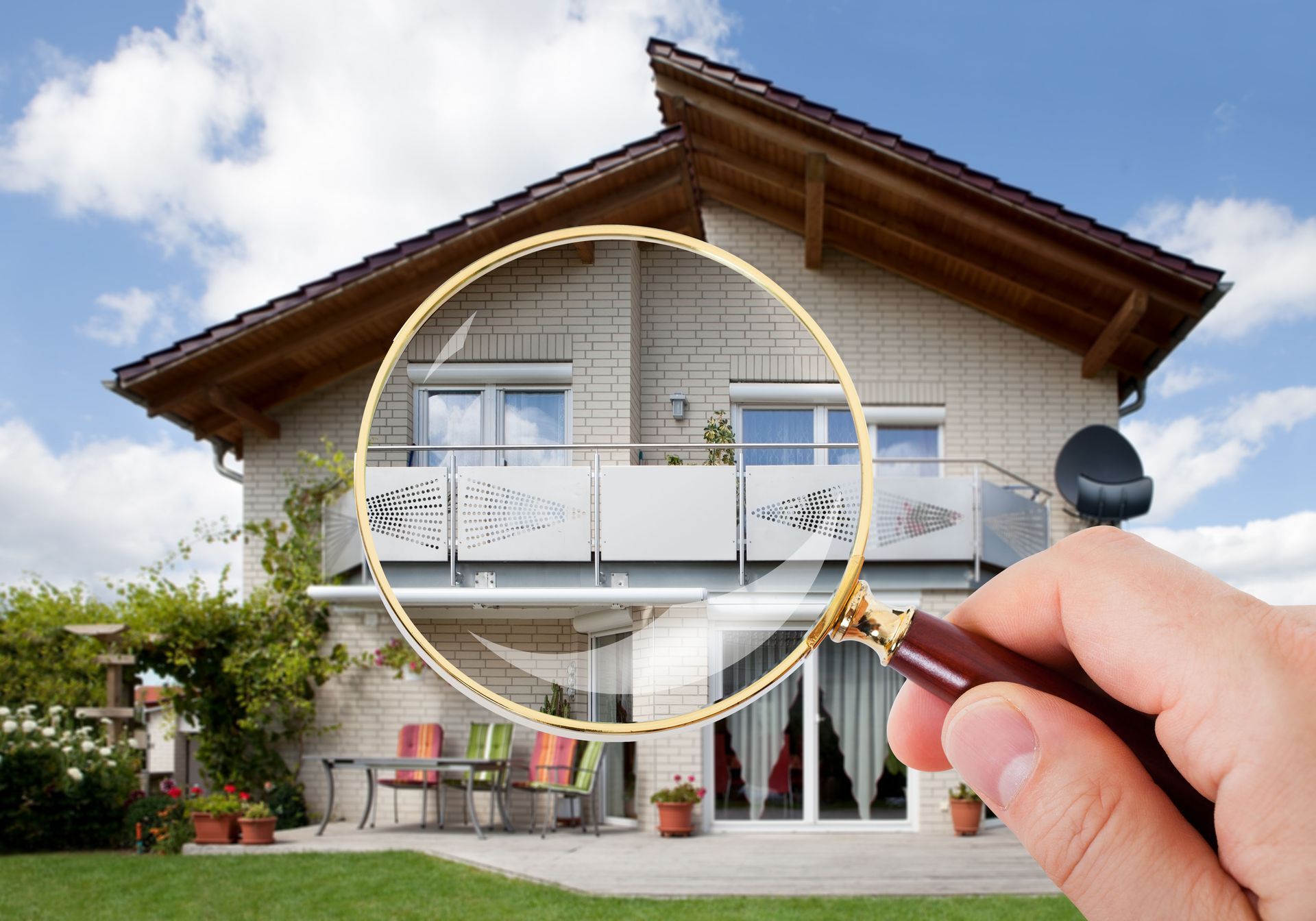
Understanding the significance of a home inspection is crucial for every homeowner. This process both safeguards one's investment and the well-being of its occupants. Inspections provide a clear picture of a property's current condition, revealing potential issues that might otherwise go unnoticed. They also help homeowners make informed decisions about maintenance, renovations, or future upgrades, ultimately protecting both safety and financial interests.
Understanding the Inspection Process
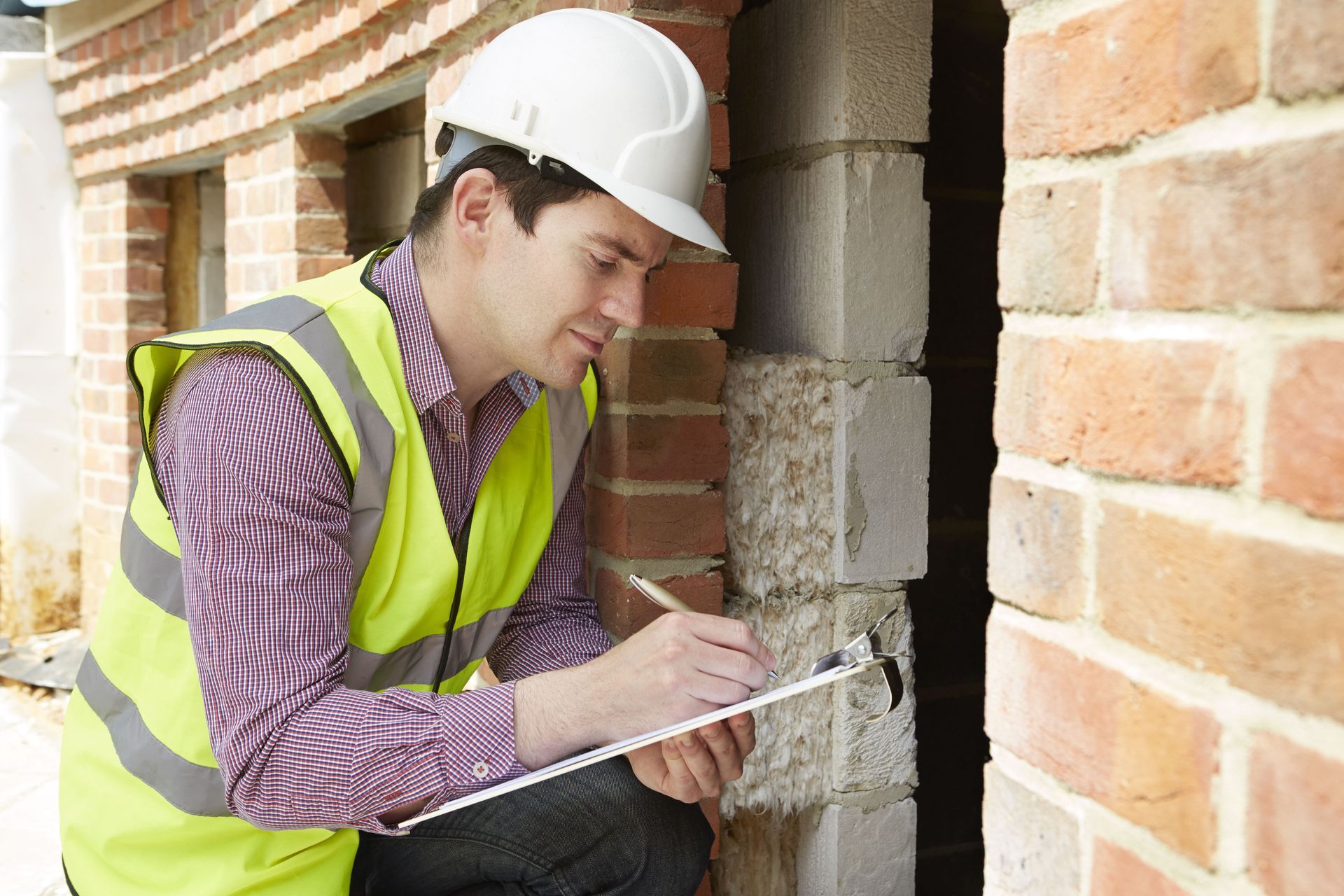
A home inspection is a thorough examination of a property's condition, typically conducted during the home-buying process. It is instrumental in identifying potential issues within a property before purchase, thus serving as a critical step in the real estate transaction process. The primary purpose of the inspection is to uncover problems that could affect the property's value or the inhabitant's safety. With 86% of home inspections determining that at least one repair is needed, according to RubyHome, it emphasizes the importance of this practice. Inspections are carried out by professional inspectors who are licensed and trained to identify potential issues in a home.
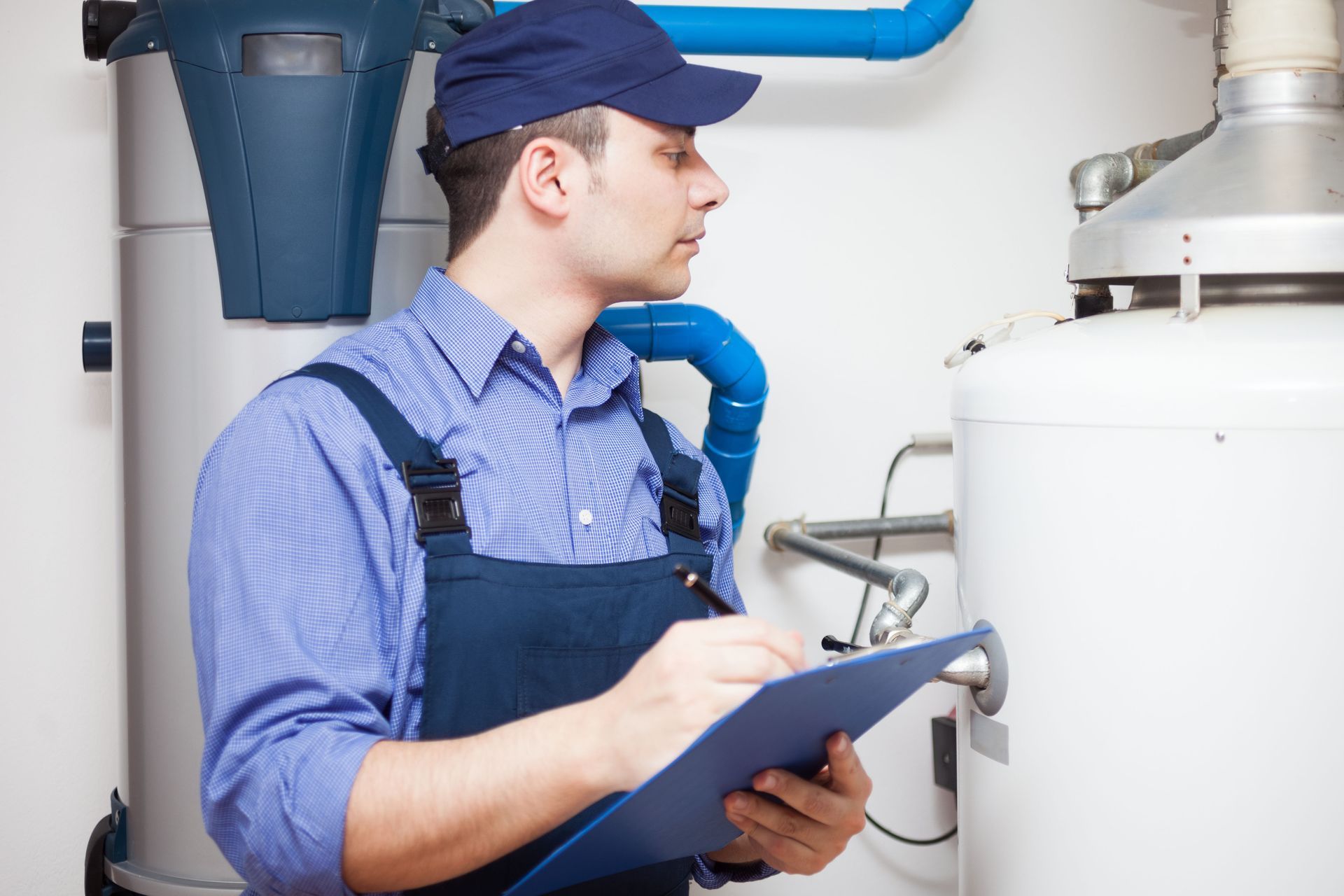
A standard home inspection covers various elements of a property to provide a holistic view of its condition. These elements often include the foundation, roof, HVAC systems, plumbing, and electrical systems. Inspectors also check for signs of damage or wear and potential safety hazards. By evaluating these key components, the inspection report highlights areas that require immediate attention as well as routine maintenance. Buyers use this report to negotiate repairs or price adjustments, and homeowners use it to plan necessary upgrades. The report is detailed, listing both current issues and potential concerns that could become more significant over time.
Identifying Potential Safety Hazards
Outdated or faulty wiring in a home can pose serious risks, including fires or electrical shocks. This protects a safe living environment and your investment. Inspections can uncover issues like overloaded circuits or inadequate grounding that may not be obvious. Plumbing problems can cause water damage, mold growth, and higher bills if not addressed promptly. Home inspections evaluate the plumbing system for leaks, corrosion, and blockages. These checks help homeowners avoid costly repairs by catching problems early. Inspectors also assess foundation cracks, unstable walls, or roof damage to identify concerns.
Pests such as termites, ants, and rodents can cause extensive damage if left untreated. An inspection will look for signs of infestations and any damage they've caused, such as chewed wires or weakened wood structures. Inspectors can recommend solutions to eradicate pests and prevent future infestations. By addressing pest problems early, homeowners can protect the property’s structural integrity and avoid expensive repairs. Inspections frequently evaluate the home’s heating systems and ventilation to identify potential risks. They check for proper installation and maintenance status to prevent dangerous gases and conditions like dire and carbon monoxide hazards from posing threats to the inhabitants.
Evaluating Property Value and Investment Security
The current condition of a property significantly influences its market value. A home inspection provides buyers and homeowners with a detailed understanding of the present state of the home. This evaluation helps ascertain a realistic valuation, making it easier to negotiate buying or selling prices. By understanding a property's condition, owners can leverage this insight to enhance the home's market appeal. As such, inspections are a powerful tool in determining and improving property value. Maintaining the integrity of a home is essential for protecting one's long-term investment. Inspections play a crucial role in this by identifying issues that could reduce the property's value if left unchecked.
For both buyers and sellers, a home inspection report can be a powerful negotiation tool. Buyers can request repairs or price adjustments based on the findings, while sellers can use a clean report to justify the asking price. Understanding the property’s condition allows both parties to negotiate more effectively. A thorough inspection can also impact insurance premiums and coverage options. By providing insurers with a detailed report of the property’s condition, homeowners can sometimes negotiate better policy terms. Addressing issues highlighted in inspections can maintain or improve insurability.
Complying With Legal and Regulatory Standards
Inspections assess whether the property adheres to these regulations, helping avoid potential legal issues. Non-compliance can lead to fines, unsafe living conditions, or difficulties in securing loans and buyers. Through stringent inspections, homeowners can be confident that they are meeting legal requirements and maintaining a safe dwelling. Homes must also adhere to environmental safety standards, such as those related to waste management and energy efficiency. Inspections assess the property’s compliance with these standards, identifying any areas that require improvement. Enhancements in this regard can lead to a more sustainable living environment and lower utility costs.
Understanding and complying with zoning and occupancy regulations is crucial for any homeowner. Inspections verify that the property meets these legal standards, avoiding issues such as fines, legal disputes, or forced modifications. Regular inspections aid in confirming legal property use and safeguarding against invasions that infringe on regulations. By identifying areas needing updates to health and safety codes, inspections prevent potential risks and improve safety for occupants. Lenders and insurance companies often require proof that a home meets specific standards before providing services. Report findings allow buyers and owners to secure favorable terms.
Improving Homeowner Knowledge and Maintenance
Home inspections provide an invaluable education to homeowners about their property’s systems and components. By understanding how different systems operate, owners can more easily identify potential issues as they arise. This awareness helps in addressing minor problems before they develop into larger concerns. Furthermore, inspections empower homeowners with knowledge about their home's condition. Inspections identify routine maintenance needs, helping homeowners to prioritize tasks effectively. Whether it's cleaning gutters, replacing filters, or servicing HVAC systems, timely maintenance prevents small issues from escalating.
The information obtained from a home inspection can significantly aid in planning future renovations. Detailed reports help identify which areas require immediate attention and which can be included in long-term improvement plans. Inspections highlight potential improvements that can enhance the property's functionality and value. Inspections provide homeowners with a basis for creating an effective maintenance timeline. The detailed information about existing issues and potential future concerns aids in scheduling regular check-ups and updates. A maintenance timeline derived from inspection findings supports both property integrity and homeowner convenience.
Enhancing Tranquility for Homeowners
Knowing that a home has been thoroughly inspected gives homeowners security and confidence in their living environment. Inspections alleviate uncertainty about hidden defects, with findings offering clarity and action plans for future maintenance. This confidence translates to less stress and enhanced enjoyment of the property. Transparency during real estate transactions is crucial for establishing trust between buyers and sellers. Inspections contribute significantly to this transparency by providing an unbiased, detailed account of the property's condition. Armed with inspection reports, buyers feel more confident in their purchasing decisions, while sellers can substantiate their asking price.
Understanding a home's systems and condition through inspections equips homeowners with essential information for emergency preparedness. Knowledge about potential vulnerabilities and weaknesses allows for proactive measures to enhance safety. Inspections contribute to a safe, prepared household by highlighting areas that need fortification or repair and building resilience. From electrical faults to fire hazards, comprehensive evaluations contribute to a safer and more comfortable living environment. The comfort and safety promoted by regular assessments enhance the overall quality of life.
Home inspections are a vital aspect of responsible homeownership. By understanding potential hazards, securing investments and compliance, informing maintenance, and enhancing harmony, homeowners can fully enjoy their property with confidence. Whether buying, selling, or simply maintaining a home, considering a professional home inspection is a wise decision that reaps many benefits. Schedule a professional home inspection with M.A.D. Home Inspections today to protect your investment and gain confidence in your property’s condition.